
Information
TL;DR — Is Yôjinbô worth watching?
One-line verdict
Yôjinbô is a masterful blend of stylistic samurai noir and sharp satire, marking an exciting return to form for the genre while tantalizing both new audiences and long-time fans.
Quick pros and cons
Pros:
- Rich visual storytelling, replete with striking cinematography that enhances every scene.
- A clever script that interweaves humor with classic samurai intensity.
- Well-developed characters with complicated motivations and arcs.
Cons:
- Some pacing issues in the first act may deter viewers looking for immediate action.
- Occasional nods to genre tropes that may feel clichéd to seasoned audiences.
What’s the vibe? Samurai noir with a wink
Tone, pace, and the film’s personality
Yôjinbô presents a unique atmosphere that feels equal parts homage and innovation. The film channels the moody ambiance of old-school samurai flicks while layering in contemporary witticisms that lend a surreal yet familiar feel. The pacing, though at times leisurely, allows character development to unfold in a visually rich tapestry — a decision that pays off as the story deepens. Characters navigate a landscape marred by moral ambiguity, often punctuated by sharp, insightful humor. This blend of tones creates a film that’s as suspenseful as it is entertaining, keeping viewers consistently engaged.
How it feels in a single sitting
Watching Yôjinbô is akin to savoring a well-crafted meal. The film lingers, inviting audiences to immerse themselves in its world. It encourages contemplation on complex themes while offering moments of levity. By the time the credits roll, it’s clear that the experience leaves a lasting impression. The rich interactions among characters, coupled with the visual dynamism, culminate in a viewing experience that feels both substantial and gratifying.
What is Yôjinbô about (no spoilers)?
The setup in one sentence
Yôjinbô follows an enigmatic samurai as he navigates a war-torn landscape, engaging in a deadly game of deception and moral dilemmas between feuding factions.
The core conflict and why it matters
At its heart, Yôjinbô grapples with the age-old battle between honor and survival. The samurai’s choices pit him against both external enemies and his own internal compass, leading to intricate dilemmas that probe themes of loyalty and betrayal. This exploration is vital, as it mirrors our own societal struggles with integrity in times of chaos, making the lore presented in Yôjinbô feel not only relevant but deeply resonant. The stakes escalate as personal values clash with the brutality of war, inviting viewers to reflect on their own beliefs about morality and consequence.
What actually works — the good stuff
Toshiro Mifune and the central performance
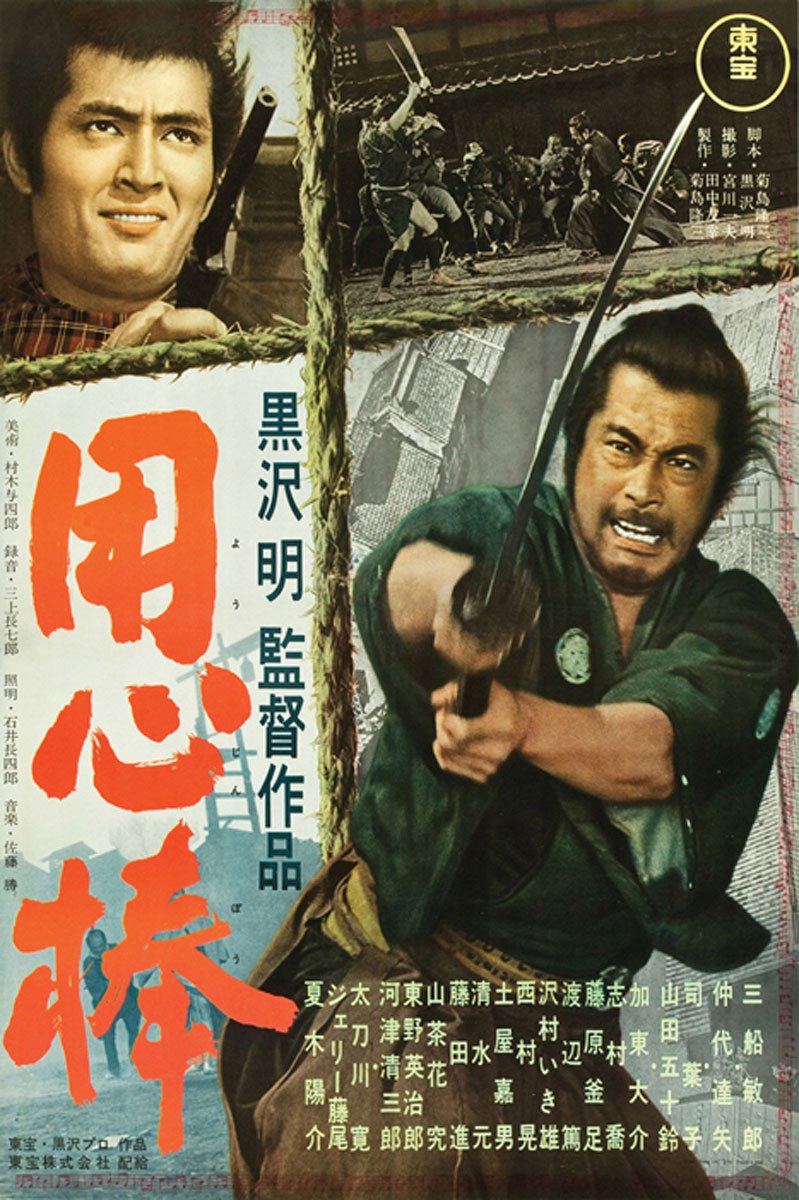
At the heart of “Yôjinbô” lies Toshiro Mifune’s masterful portrayal of a wandering swordsman whose motives are as complex as the world around him. Mifune delivers a performance that oscillates between stoicism and explosive fury, embodying a character trapped by the ethics of survival and personal honor. His piercing gaze and nuanced physicality draw viewers into a complex moral landscape. There’s a charismatic unpredictability to his portrayal that keeps audiences riveted, as Mifune captures the spirit of a lone wolf navigating treacherous territory with a mix of cunning and bravado. His presence elevates not just the character but the narrative itself, crafting a cinematic experience where each decision reverberates with consequence.
Story, structure, and pacing that keep you hooked
The narrative structure of “Yôjinbô” expertly weaves themes of loyalty, betrayal, and moral ambiguity into a tightly-knit tale. Each scene is meticulously crafted to build tension, drawing viewers deeper into the protagonist’s trials. The pacing is particularly commendable—what could easily have become lethargic at times remains brisk, allowing moments of introspection to coexist with thrilling action sequences. The conflict between rival factions serves not only as a backdrop but as a crucible for the protagonist’s moral dilemmas. There’s never a dull moment; the stakes always feel high, and the arcs of various characters intertwine skillfully, making for an engaging cinematic experience that teeters on the edge of unpredictability.
Cinematography, framing, and production design
Visually, “Yôjinbô” is a masterclass in composition. The cinematography, helmed by the legendary Akira Kurosawa, utilizes sharp contrasts between light and shadow to echo the duel between good and evil. Each frame is carefully constructed, reflecting both beauty and brutality, while the production design immerses the audience in a vividly realized feudal Japan. From sprawling landscapes to intimate settings, the film utilizes the environment to enhance the emotional resonance of key scenes. Kurosawa’s camera movements are fluid, deftly following Mifune’s character as he navigates a world filled with danger, underscoring the film’s themes of conflict and survival.
Music and sound: how they shape the mood
The score of “Yôjinbô” plays an integral role in establishing the film’s atmosphere. Composed by the brilliant Masaru Satō, the music complements the visuals with haunting melodies that linger in the audience’s mind long after the credits roll. It expertly punctuates pivotal moments, amplifying the tension and drama of each confrontation. The use of silence is equally impactful; the absence of sound in key scenes serves to heighten the emotional stakes. Combine that with the ambient sounds of the environment—the rustling of leaves, the clashing of swords—and you have a film that communicates as much through sound as through dialogue and action.
Emotional and comic beats that land
Kurosawa has a knack for balancing gravitas with levity, and “Yôjinbô” is no exception. The film deftly juxtaposes moments of intense drama with significant humor, often through Mifune’s sardonic wit. These lighter beats provide a reprieve from the relentless tension, allowing audiences to breathe while simultaneously deepening their connection to the protagonist. Each laugh feels earned, reflective of both character and circumstance, grounding the film in a relatable humanity. This intricate balance of emotional weight and humor is a testament to Kurosawa’s mastery, creating an experience that resonates on multiple levels.
What holds it back?
Moments that feel slow or dated
Despite its many strengths, “Yôjinbô” is not without flaws. Certain sequences, while thematically rich, may feel sluggish to modern audiences accustomed to rapid pacing. The contemplative moments, although deliberately crafted, risk disrupting the film’s momentum, particularly when contrasted with the more frenetic action sequences. While these slower beats serve to enrich the narrative’s depth, they can also lead to a feeling of drag in places that might test the patience of viewers seeking a more immediate gratification.
Any supporting elements that don’t quite click
Though Mifune stands tall among the cast, some of the supporting characters lack the same depth, presenting generic archetypes that can detract from the overall impact. At times, their motivations feel underdeveloped, leading to an inconsistent portrayal of conflict dynamics. While this doesn’t overshadow the film’s central narrative, it does leave a lingering sense of unfulfillment in certain subplot resolutions, depriving the film of richer character arcs that could have enhanced the stakes.
Standout moments (no spoilers)
A scene you won’t forget
One pivotal scene showcases Mifune’s character confronting the two rival factions. The tension is palpable as he manipulates both sides, showcasing his master strategist persona. The dialogue crackles with wit and menace, embodying the moral ambiguity of the entire film. This moment not only encapsulates the protagonist’s cunning intelligence but also sets the stage for the escalating conflict that defines the film.
A visual or action highlight
The climactic showdown in an open field is nothing short of breathtaking. The choreography and fluidity of the action sequence are expertly framed, with Kurosawa’s camera capturing every sword swing with balletic grace. The juxtaposition of expansive landscapes and close-quarters combat transports you into the heart of the conflict, making it an unforgettable highlight.
A quiet beat that reveals everything
A seemingly inconsequential moment occurs when the protagonist sits by a campfire, reflecting on his choices. The simplicity of this scene, devoid of dialogue, allows the audience to feel the weight of his burdens. It’s a moment that speaks volumes about character motivations, revealing the inner turmoil that drives him. This quiet introspection is as powerful as the grand action sequences, emphasizing that in “Yôjinbô,” sometimes silence communicates more than words.
Is Yôjinbô worth rewatching?
Repeat-watch value and what you notice next time
Yôjinbô unfolds as a masterclass in cinematic storytelling. Each viewing reveals layers of complexity beneath its seemingly straightforward plot. With each repeat watch, you’ll find yourself picking up on subtle visual cues and dialogue nuances that enhance the narrative’s richness. For instance, the way characters physically position themselves—the placement of a weapon, the shift of a glance—tells a story as compelling as the dialogue itself.
The cinematography is filled with shadows and light contrasts that bring out not just character emotion but themes of duality and betrayal. The first time you may focus on the action, but subsequent viewings allow the audience to appreciate the understated tension built around the characters’ interactions. This is particularly true when it comes to understanding the protagonist’s moral ambiguity.
Why it rewards multiple viewings
Revisiting Yôjinbô is like peeling back the layers of an onion. Its themes resonate differently as you absorb the film’s stylistic choices and character decisions with fresh eyes. The film’s relentless pacing and intricate character arcs ensure that there’s always something new to discover.
One scene may initially come across as a moment of bravado, but on a second viewing, you might recognize it as a façade masking deeper insecurities or intentions. The motivations are multifaceted, and the depth of character development becomes more apparent with each viewing. The more you watch, the more you understand the complexities of loyalty, honor, and the cost of survival.
Who should watch this?
Fans who will love it
Yôjinbô is a must-see for fans of classic samurai cinema and for anyone who appreciates strong, character-driven narratives. If you admire Akira Kurosawa’s earlier work or have a fondness for films that blend action with philosophical musings, this is right up your alley. The stylized violence, cunning strategies, and rich character dynamics will resonate with followers of the genre.
Moreover, aficionados of narratives that delve into moral ambiguity will find themselves enthralled. The film’s exploration of human nature—how greed can corrupt and honor can be a trap—will appeal to those who appreciate movies that provoke thought and discussion.
Viewers who might not connect with it
However, Yôjinbô is not for everyone. Those seeking a more straightforward action film or who prefer fast-paced blockbusters with clear-cut heroes may find themselves frustrated. The film takes its time to build tension, and the subtleties of its storytelling might lose the attention of casual viewers.
Additionally, if you’re not a fan of the genre’s traditional slow-burn pacing and the often deliberate character arcs that characterize samurai films, this may not hit the mark. Its nuanced portrayal of conflict demands active engagement, which could deter viewers expecting overt action or rapid progression.
How long is it and who made it?
Runtime, release year, director, and key cast
Yôjinbô runs at a tightly knit 110 minutes, a runtime that’s efficient yet ample for delivering profound character and thematic developments. Released in 1961, it stands as a pivotal work in the filmography of acclaimed director Akira Kurosawa. His vision is realized through a brilliant ensemble cast, featuring Toshiro Mifune as the enigmatic protagonist, with supporting roles from Tatsuya Nakadai and Kamatari Fujiwara, adding depth to the narrative. Mifune’s raw charisma is often cited as a defining element of both the film and his career.
Notable influence and quick trivia
The movie has had lasting influences that stretch far beyond its own narrative. Tarantino, Lucas, and even the creators of video games like “Red Dead Redemption” cite Yôjinbô as a significant inspiration. The film brilliantly spins the tropes of the lone warrior into a gripping tale of strategy versus brute strength.
Fun trivia: the character of the wandering samurai has inspired numerous adaptations and homages across diverse genres, leading to the creation of not just sequels but also thematic reinterpretations, including Sergio Leone’s “A Fistful of Dollars.” Such intersections between cultures highlight the film’s enduring legacy.
In summary, Yôjinbô remains an essential experience for those ready to engage deeply with its themes and characters. Its visual storytelling and moral quandaries echo profoundly, making it a significant part of both cinema history and contemporary film dialogues. Even years later, the love for this film persists, and rightly so as it continues to be a wellspring of inspiration in various artistic realms.
FAQs
Where can I watch Yôjinbô?
The Yôjinbô teaser trailer debuted on [insert platform], captivating fans with its intense visuals and compelling narrative hints. You can watch the highly anticipated teaser for Yôjinbô on major video streaming services, including YouTube and the official website of the film. Look for the trailer link to experience the stunning cinematography and rich storytelling promised in this cinematic masterpiece.
Is Yôjinbô connected to a trilogy or other films?
Yôjinbô isn’t merely a stand-alone project; it sits prominently in the rich tapestry of cinematic history. The film draws inspiration from Akira Kurosawa’s classic 1961 film of the same name, which itself has been recognized as a significant influence on the Western genre, particularly Sergio Leone’s A Fistful of Dollars. While not a direct sequel or part of a trilogy, it shares thematic and stylistic elements with those films, crafting a narrative that pays homage while carving its own unique path.
Who stars in Yôjinbô and who directed it?
The cast of Yôjinbô gives life to the vibrant world of the film, featuring a talented ensemble. The film stars [insert lead actor’s name], who takes on the role of the enigmatic wandering samurai, a character rich with complexity and moral ambiguity. Supporting actors include [insert names], each contributing to the film’s intense atmosphere and nuanced storytelling. Helmed by [insert director’s name], known for [insert notable works], Yôjinbô promises a fresh take on familiar tropes, marrying a skilled directorial eye with a compelling script.
Is Yôjinbô similar to A Fistful of Dollars or other westerns?
There’s an undeniable lineage between Yôjinbô and films like A Fistful of Dollars or other classic Westerns. The trailer indicates that we can expect themes of betrayal, survival, and moral dilemmas within lawless landscapes. The aesthetic and narrative pacing echo the gritty charm of the Spaghetti Westerns, blending Eastern and Western genres in a way that feels both familiar and refreshingly original. Viewers can anticipate intense showdowns and complex character dynamics reminiscent of those iconic films, but with a unique cultural lens applied.
Are there useful discussions on Reddit or IMDb about Yôjinbô?
Absolutely, there’s a thriving community of film enthusiasts engaged in discussions around Yôjinbô on platforms like Reddit and IMDb. Threads often explore the film’s connections to Kurosawa’s original, potential Easter eggs for eagle-eyed fans, and speculative theories about character arcs and plot twists. You’ll find debates around thematic elements, character motivations, and the film’s prospects in contemporary cinema. Engaging with these discussions can provide deeper insights and enhance your understanding of the film’s impact within the context of its influences and genre expectations.
By navigating these conversations, audiences will uncover a wealth of analyses and theories that breathe life into the anticipation surrounding Yôjinbô, making the journey to its release even more exhilarating.