
Information
tl;dr
One-sentence verdict
“You Were Never Really Here” is an unsettling character study that powerfully intertwines trauma and redemption, held together by Joaquin Phoenix’s hauntingly subtle performance.
Quick note on tone and watchability
The film, with its spare dialogue and brooding atmosphere, cultivates a tone that’s simultaneously suffocating and deeply affecting. While its deliberate pacing may deter mainstream audiences looking for conventional thrills, those who appreciate explorative cinema may find its reflective nature rewarding.
Does the story and pacing work without spoiling anything?
How the plot moves and where it lingers
The narrative unfolds with an intentional, almost hypnotic tempo, allowing moments of silence to echo the protagonist’s internal conflict. Lynne Ramsay’s directorial approach emphasizes emotional resonance over traditional plot mechanics, often lingering on Joe’s solitary moments to build an intimate connection with the viewer. This cadence often feels like a slow burn, revealing layers of Joe’s psyche while also embedding the viewer deeper into his world.
Moments that feel drawn-out or rushed
Certain sequences may test the audience’s patience, particularly during Joe’s atmospheric wanderings that sometimes serve to reiterate his isolation more than propel the story. Conversely, moments of action, while visceral and shocking, can feel overly abrupt, suggesting a disparity in pacing. This inconsistency might leave some viewers yearning for a clearer narrative arc, as the film occasionally sacrifices story progression for stylistic flourishes.
Are the performances convincing in You Were Never Really Here?
Joaquin Phoenix — what he brings to the role
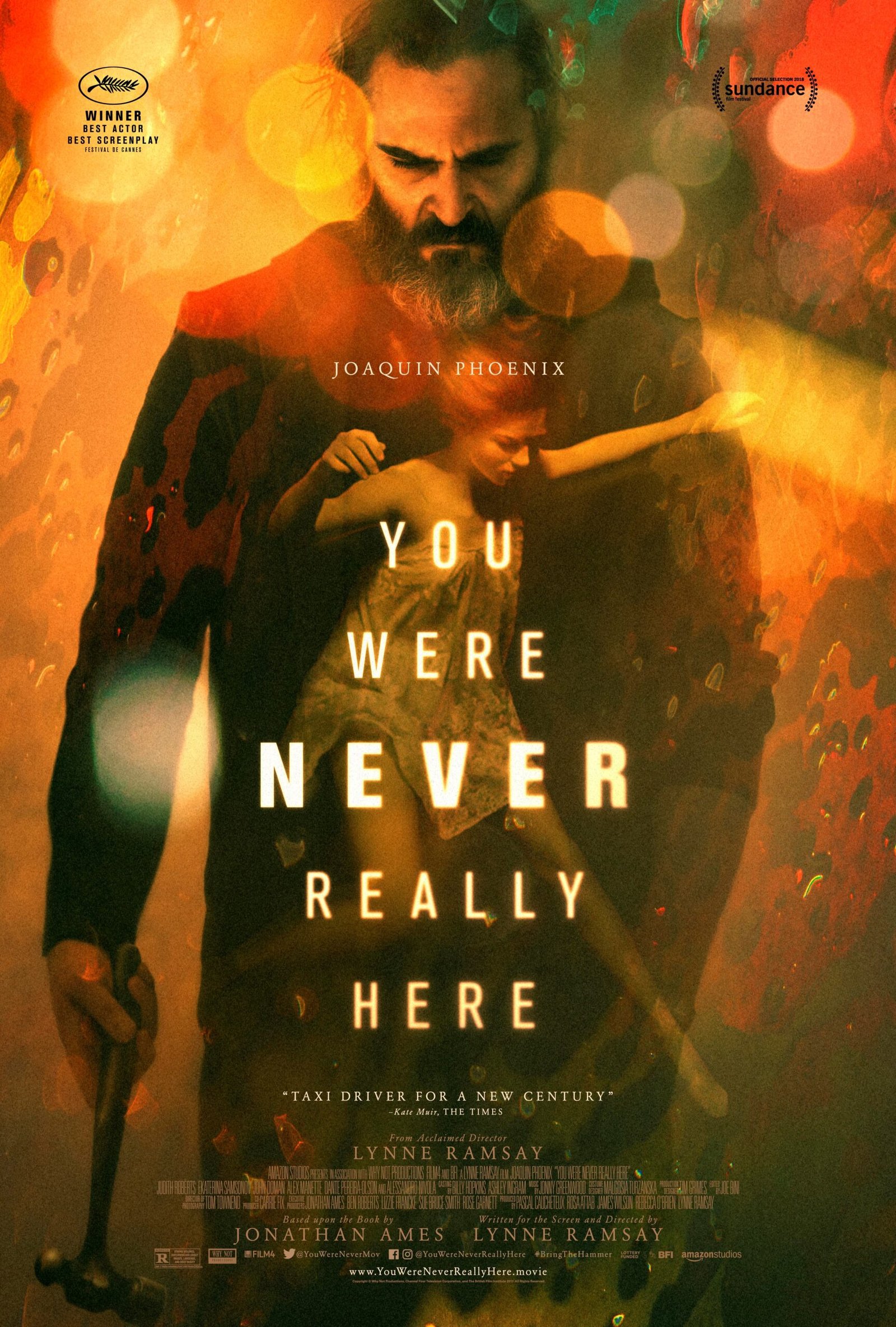
Phoenix delivers a subtly layered performance, imbuing Joe with a profound sense of weariness and vulnerability. His physicality is striking; he conveys pain not just through dialogue but through every gesture, creating a character who is as much shaped by his past as he is by his relentless fight against it. The depth of his performance elevates the material, transcending the role of a mere hitman to transform Joe into a complex figure grappling with the ghosts of his trauma.
Supporting cast and how believable the characters feel
The supporting performances, while not as extensively developed, complement Phoenix’s work efficiently. Characters like the enigmatic Nina and the law enforcement presence provide a stark contrast to Joe’s turmoil. Although their arcs lack the depth of the lead, they effectively highlight the broader societal issues at play. These interactions, though brief, help solidify the reality of Joe’s world, grounding his isolated journey in a larger context.
How does the direction and filmmaking affect the experience?
Lynne Ramsay’s style, tone, and storytelling choices
Lynne Ramsay’s direction in “You Were Never Really Here” is both haunting and delicate, creating an atmosphere that feels alive with the weight of trauma. Her storytelling, marked by fragmented narratives and abrupt transitions, mirrors Joe’s fractured psyche. Ramsay often chooses to show rather than tell, opting for evocative imagery over traditional exposition. This choice invites viewers to immerse themselves in Joe’s internal struggle, but it also risks alienating those who crave clearer narrative cues. The film’s tone oscillates between bleakness and moments of unexpected tenderness, grounding Ramsay’s artistic ambition in gritty realism. It’s a potent reminder of her unique ability to blend emotional depth with stylistic boldness, ensuring that each visual element serves a deeper narrative purpose.
Editing, cinematography, and the role of the score
The editing, crafted by Joe Bini, plays a crucial role in maintaining the film’s oppressive yet rhythmic tension. Cuts are swift and jarring, often leaving viewers startled as they shift rapidly between Joe’s violent encounters and his quiet introspections. This disjointedness enhances the film’s exploration of trauma, making the viewer feel as overwhelmed as Joe himself. Cinematographer Thomas Townend pairs this editing with a stark visual palette that employs shadows and muted colors, establishing an oppressive world that reflects Joe’s mental state. The score, composed by Jonny Greenwood, further encapsulates the film’s mood; it oscillates between haunting melodies and dissonant chords, creating a lingering discomfort that seeps into the viewer’s consciousness. Together, these elements forge a uniquely arresting experience, where every decision in filmmaking works not just as aesthetic pleasure, but as a vehicle for exploring complex emotional landscapes.
How violent or disturbing is the film?
Types of scenes and level of graphic content
“You Were Never Really Here” is undeniably violent, but its approach to depicting brutality is far from gratuitous. Ramsay does not shy away from visceral imagery; instead, she utilizes it to underscore the protagonist’s trauma rather than simply to shock the audience. Scenes of violence are juxtaposed with moments of tenderness or introspection, forcing viewers to grapple with the emotional aftermath of such brutality. Among the more graphic content, severe physical confrontations are intercut with flashes of Joe’s tortured memory, illustrating how deeply entwined his violence is with his personal history. This narrative choice creates an unsettling yet profound viewing experience that stays with the audience long after the credits roll.
Trigger warnings and whether content is essential to the story
Content warnings are necessary for “You Were Never Really Here,” given its themes of child exploitation, suicide, and graphic violence. The disturbing moments serve a crucial narrative function, highlighting the film’s mantra that trauma begets trauma. Ramsay’s unflinching lens forces viewers to confront uncomfortable truths about the cycle of violence. However, this approach may alienate some who find the film too challenging to watch. Ultimately, while the graphic content is essential to driving home the emotional weight of Joe’s experiences, it takes a certain resilience from viewers to fully engage with the film’s intent.
What are the main strengths and weaknesses?
Key strengths that make it worth watching
One of the film’s standout strengths is its ability to evoke deep emotional resonance through meticulous craftsmanship. Ramsay’s direction, combined with Phoenix’s haunting performance, crafts a tapestry of despair that feels intensely personal and universal. The film’s dreamlike aesthetic enhances its ability to navigate the psychological labyrinth Joe endures, drawing viewers into a world where trauma shapes every interaction. The score by Greenwood deserves particular mention for its capacity to elevate the foreboding atmosphere, amplifying every silent moment and every violent explosion. Together, these elements create a reflective space that transforms the viewing experience into a form of meditation on memory, loss, and healing.
Weaknesses or moments that may put viewers off
However, the film’s deliberate pace and abstract narrative choices will likely frustrate mainstream audiences. Some may find Ramsay’s intentional vagueness in certain plot points dissatisfying, as the film frequently chooses artful ambiguity over straightforward storytelling. This can lead to a feeling of disengagement for viewers seeking clear resolutions. Additionally, while the graphic violence serves a purpose, its intensity can feel excessive at times, potentially overshadowing the emotional subtleties the film strives to present. This duality of strength and weakness creates a viewing experience that, while undeniably rich, is not universally accessible. Those who prefer conventional storytelling or are sensitive to explicit content may find this film challenging to embrace.
Who is this film really for?
Viewer tastes it will satisfy
“You Were Never Really Here” is a compelling fit for cinephiles who thrive on psychological explorations of trauma and human resilience. Its nuanced storytelling and dreamlike direction cater to viewers who appreciate film as an art form rather than mere entertainment. Fans of works like “Taxi Driver” or “The Machinist” will resonate with the protagonist’s existential battles, finding comfort in the film’s subversion of traditional action tropes. Those drawn to immersive cinematography and haunting scores will likely be entrapped by this film’s ability to envelop them in a chilling yet intimate atmosphere. The blend of artistry and grim subject matter creates a layered experience for those willing to engage with the film’s darker themes.
Who should probably skip it
Conversely, if you’re looking for an easy, straightforward narrative, this film likely isn’t for you. Those averse to graphic violence or the emotional weight of trauma might find its content intolerable. Viewers who favor fast-paced action or readily digestible plots may feel alienated by Ramsay’s slow and often ambiguous pacing. The abstract and sometimes surreal elements might frustrate those who prefer clarity in narratives or seek conventional resolutions. In short, if you’re not prepared to traverse the murky waters of human suffering and psychological complexity, it’s probably best to steer clear of this film.
Is You Were Never Really Here worth watching or rewatching?
Recommendation for first-time viewers
For first-time viewers, “You Were Never Really Here” offers a unique cinematic experience that commands attention. However, it’s essential to approach it with an open mind. Don’t expect a conventional thriller with adrenaline-fueled sequences. Instead, be prepared to engage with the introspective journey of its protagonist. The film’s ability to delve into the nuances of trauma provides profound insights, making it a worthy watch for those interested in emotional depth. However, potential viewers should be conscious of its graphic content and haunting themes, which can be emotionally taxing. For those intrigued by the exploration of darkness, this film will likely leave a lasting impression.
Rewatch value and how it holds up over time
Regarding rewatch value, the film rewards those who return to it with fresh perspectives on its layered themes. Each viewing may reveal new intricacies in Joe’s character and the dynamics of his interactions. The subtle complexities within the cinematography and sound design can be more fully appreciated upon subsequent watchings. As societal discussions surrounding trauma and mental health continue to evolve, the film’s relevance may shift, offering new insights with time. While some viewers may be hesitant to revisit the unsettling content, those who find themselves drawn to Joe’s struggle will likely feel a compelling urge to engage with the film repeatedly.
Practical details to know before you press play
Runtime, release year, rating, and language
“You Were Never Really Here” has a runtime of 89 minutes, making it a succinct yet impactful watch. Released in 2017, it carries a rating of R for its graphic depictions of violence and themes of trauma. The film is primarily in English, with an artful use of sound design that elevates its stark visual storytelling. This combination of aspects creates an emotionally charged experience that takes viewers into the heart of its protagonist’s pain.
Where it’s commonly available to stream or rent
Currently, the film is available for rental or purchase on popular platforms such as Amazon Prime Video and iTunes. Its streaming availability varies, so checking subscription services like Hulu or the Criterion Channel may yield opportunities to watch it as part of their curated collections. Its inclusion in various platforms broadens access to viewers who seek to delve into its haunting narrative, though some may find it challenging to locate without a concerted search. Regardless of the platform, it’s a film that demands to be seen, appreciated, and contemplated.
FAQs
Is You Were Never Really Here based on a true story?
While “You Were Never Really Here” is not a direct retelling of a specific true story, it draws inspiration from the intricate realities of trauma and violence that individuals face, particularly in the contexts of personal redemption and societal decay. It’s worth noting that the film adapts Jonathan Ames’ novella, which provides a foundation of gritty realism that resonates with certain truths about the human experience. The emotional core, however, transcends realism to delve into a psychological landscape that feels both personal and universal. By presenting a fragmented exploration of trauma, Lynne Ramsay captures an essence of lived experiences that may resonate deeply with viewers, even if the narrative is not grounded in a single person’s life.
How long is the film?
You’re looking at a runtime of 89 minutes. This succinct duration might seem brief for a film that deals with heavy themes, but Ramsay’s direction ensures every moment is purposeful. In that time, it immerses the audience in Joe’s troubled psyche and the weight of his past, leaving little room for extraneous plot developments. Rather than padding its length with superfluous scenes, the film opts for brevity that mirrors Joe’s own fragmented existence. This tight runtime enhances its impact, forcing viewers to grapple with its emotional stakes without becoming overly indulgent.
Is it appropriate for teenagers or children?
Given its intense subject matter and graphic violence, “You Were Never Really Here” is not suitable for teenagers or children. The R rating reflects the film’s insistence on confronting disturbing themes such as child exploitation, self-harm, and mortal violence. While some films tackle dark subjects by offering palatable narratives, Ramsay does not shy away from the brutal realities that accompany such issues. The explicit imagery and challenging themes require a level of maturity and emotional readiness that younger viewers are unlikely to possess. As such, parents and guardians should carefully consider these factors before allowing younger audiences to engage with this film.
Will I understand the story if I miss parts of the dialogue?
The film’s reliance on sparse dialogue and visual storytelling emphasizes mood over explicit narrative clarity. While the overarching themes and emotional beats are accessible, missing portions of the dialogue may hinder your understanding of some subtleties in character motivations or plot nuances. Ramsay’s style invites viewers to piece together Joe’s journey through visual cues and sound design, but those who thrive on dialogue-driven narratives might find themselves feeling disoriented if key lines are overlooked. Ultimately, while you can grasp the film’s essence without catching every word, immersing yourself in its auditory and visual details enhances the overall experience.