
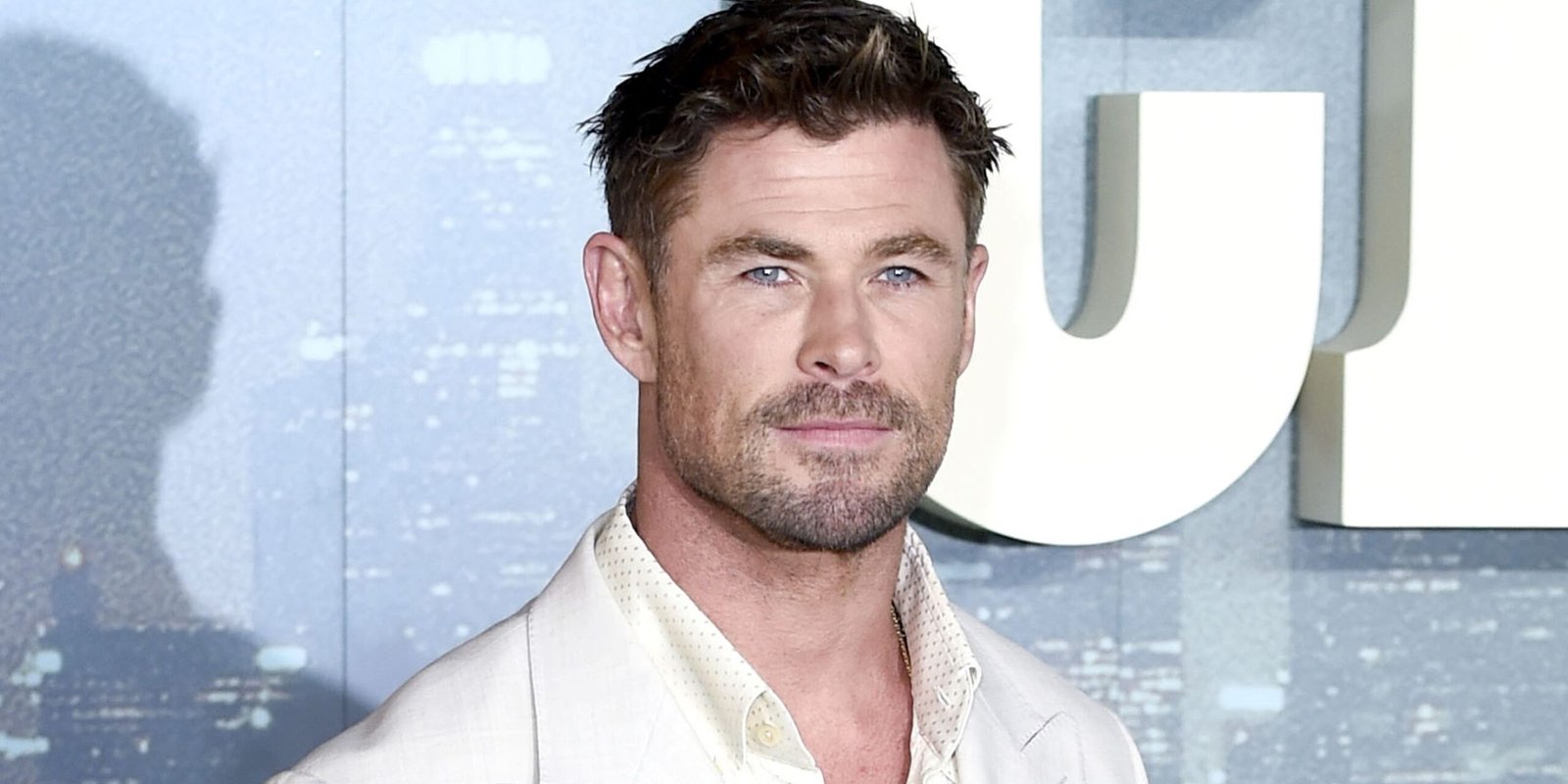
Why fans are revisiting Hemsworth’s back catalog now
Buzz around Chris Hemsworth’s new heist thriller, Crime 101, has been building after strong early reviews. Critics have called the film “the kind of classy heist thriller we don’t see much of these days” and praised it as “slickly crafted, tightly written, and filled to the brim with compelling characters and a moody, immersive LA atmosphere.” With Hemsworth teaming again with a fellow MCU alum, Mark Ruffalo, many viewers are revisiting the actor’s past films — including one of his most controversial releases, Michael Mann’s Blackhat.
What Blackhat is about and who’s in it
Blackhat arrived in 2015 as a globe-trotting cyber-thriller from director Michael Mann. Written by Morgan Davis Foehl, the film follows convicted hacker Nick Hathaway (Chris Hemsworth), who is released from prison to help international law enforcement track an elusive cybercriminal after a series of high-profile hacks — including attacks on a Hong Kong nuclear plant and a major US financial exchange. The cast includes Viola Davis, Tang Wei, and Holt McCallany, with production credits that include Jon Jashni.
Runtime: 133 minutes. Release date: January 16, 2015.
From ambitious release to box-office disappointment
Despite Mann’s pedigree and a sizable production budget, Blackhat struggled dramatically in theaters. With an estimated production budget of $70 million, the film grossed just $19.6 million worldwide: roughly $8 million domestically and about $11.6 million from international markets. That commercial shortfall labeled Blackhat a significant box-office bomb at the time of its theatrical run.
Critical reaction at release was largely negative, which likely contributed to the film’s poor ticket sales. On Rotten Tomatoes the movie holds a 33% critics score, and the aggregator’s consensus called it “thematically timely but dramatically inert,” suggesting the movie’s topical focus on cybercrime wasn’t matched by satisfying storytelling.
The streaming comeback: how Blackhat is being rediscovered
Streaming platforms have a habit of giving overlooked and divisive films a second life, and Blackhat appears to be benefitting from that pattern. At the time of writing, the film is among the 10 most-streamed titles on HBO Max worldwide. It sits in company with current awards-season favorites on the service, illustrating how audience discovery on streaming can diverge sharply from a title’s theatrical fortunes.
There are a few reasons a film like Blackhat can resurface on streaming:
- Topical relevance: The subject of cybercrime and global hacking feels increasingly current to modern viewers, which can spark renewed interest.
- Star power: Hemsworth’s growing profile — fueled by new projects like Crime 101 — can push audiences to explore his earlier work.
- Director curiosity: Michael Mann’s name carries weight, and cinephiles sometimes return to or reassess films by respected directors, regardless of initial reception.
Why opinions remain split
Blackhat remains a polarizing entry in Hemsworth’s filmography. Supporters point to Mann’s visual style, atmospheric set pieces, and the film’s attempt to tackle international-scale cybercrime as strengths. Critics continue to cite pacing, narrative clarity, and character development as shortcomings that undercut the movie’s potential.
The result is a title that rarely lands in the middle ground: viewers often either appreciate its ambitions and style or find its execution frustrating. Streaming allows those curious to make that call for themselves without the pressure of box-office expectations.
What this means for Hemsworth and Crime 101
For Chris Hemsworth, the renewed attention to Blackhat is a reminder that a film’s commercial fate isn’t always its final word — especially in an era where streaming reshapes discovery and audience tastes. As Crime 101 opens to positive early reviews, Hemsworth’s growing momentum is encouraging fans to reassess his past choices and seek out lesser-seen titles.
Whether Blackhat ultimately earns a reappraisal or remains a cautionary chapter in Hemsworth’s career, its streaming resurgence highlights how distribution windows have changed: films that underperformed theatrically can still find new audiences and provoke fresh conversations years later.