
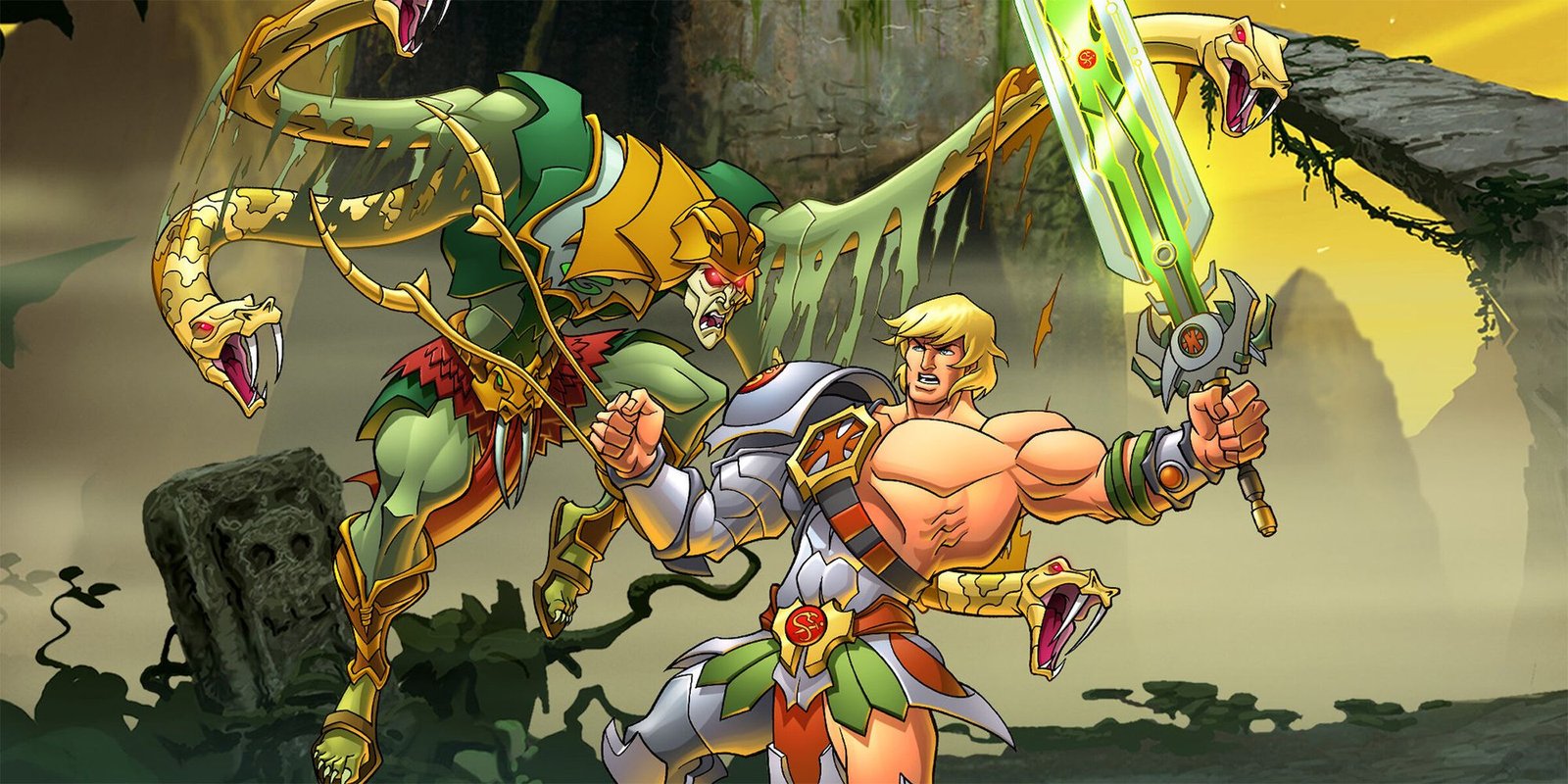
A timely primer for new and returning fans
With a new big‑budget, live‑action Masters of the Universe movie on the way — and a trailer that has already become a global trending hit — now is the perfect moment to revisit Eternia before the film lands. For viewers wondering where to start, the 2002 animated reboot, He‑Man and the Masters of the Universe, remains the strongest modern adaptation of Mattel’s toyline and serves as an ideal bridge between the vintage 1980s material and contemporary expectations for action, character, and serialized storytelling.
What the 2002 series changed — tone, stakes, and production
Originally broadcast on Cartoon Network and produced by Mike Young Productions, the 2002 series updated the franchise in three key ways:
- Matured tone: While still accessible to younger audiences, writers and directors steered the show toward darker, more serious storytelling than the original Filmation cartoons of the 1980s. The result is a series that respects the franchise’s mythic roots while adding emotional heft and conflict.
- Higher production values: The animation, design, and action sequences were refreshed for the 21st century, giving Eternia greater visual depth and a more cinematic feel that better complements live‑action adaptations.
- Mythology refinement: Rather than discarding earlier lore, the reboot selectively drew on the classic mini‑comics packaged with the original action figures and the Filmation series, weaving those elements into a more cohesive universe.
These changes make the 2002 show a helpful primer: it preserves the core beats fans expect — He‑Man, Skeletor, Castle Grayskull — while filling in connective tissue that modern viewers will find familiar in franchise cinema.
Deeper character work: Keldor, Skeletor, and shifting alliances
One of the most notable strengths of the reboot is its effort to expand character backstories. The series explores origins and relationships in ways the 1980s toyline and cartoons rarely did on screen. Highlights include:
- Skeletor’s origin: The show adapts material from an obscure mini‑comic, “The Search for Keldor,” to reveal a more layered origin for Skeletor. The figure of Keldor — grievously wounded in a confrontation with King Randor — recontextualizes Skeletor as a usurper with a tragic, more human past. While the animated run stops short of fully resolving all family connections, the intent to deepen the rivalries is clear.
- Expanded rosters: Veteran voice actors brought nuance to returning and new antagonists and allies — Cam Clarke voices He‑Man/Prince Adam and King Grayskull, Michael Donovan voices Hordak, and Brian Dobson performs Skeletor and King Hiss — helping the series feel lived‑in and character‑driven.
- Factional complexity: By elevating groups like the Snake Men and the Horde (led by Hordak), the show made Eternia’s conflicts feel larger than single episode skirmishes and allowed shifting loyalties and long‑term threats to take center stage.
These choices created richer, more emotionally resonant conflicts and gave the series an epic scope that rewards bingeing.
Serialized storytelling over standalone episodes
Perhaps the most consequential difference from the Filmation era is the move toward multi‑part arcs and serialization. The 1980s syndicated episodes were crafted as easy‑to‑consume single stories; the 2002 reboot favored continuity and slow burns:
- Multi‑episode arcs allowed for meaningful character development and worldbuilding over time, rather than resetting after every installment.
- Storylines such as the gradual introduction of characters like Kobra Khan set up larger seasonal conflicts (for instance, the Snake Men becoming major Season 2 antagonists).
- The series’ approach to longer narratives is comparable to what other successful animated adaptations achieved by the 1990s — building stakes and emotional investment across multiple episodes instead of relying on isolated adventures.
This serialized model gives the show a modern pacing that better prepares viewers for franchise storytelling in feature films.
Where the series left off — an unfinished epic
He‑Man and the Masters of the Universe ran for two seasons and 39 episodes. Its finale sees He‑Man and allies confront King Hiss, the Snake Men, and the ancient deity Serpos — a long‑foreshadowed menace tied to Snake Mountain. While the series concludes on a victorious note and avoids a major cliffhanger, it also seeded larger plans that never came to fruition:
- Hordak’s introduction at the end of Season 2 was meant to lead into an ambitious Season 3 arc in which Hordak escapes an interdimensional prison on Despondos and attempts to conquer Eternia, forcing He‑Man and his allies into fugitive roles.
- Those plans were halted when the show was canceled after declining ratings and weaker toy sales, leaving some long‑term storylines unrealized.
Even so, the existing two seasons deliver a satisfying, self‑contained saga with tantalizing hints of a more expansive Mythos that could have followed.
How to watch and why it matters for the new movie
If you want a compact, modernized take on He‑Man before the live‑action film arrives, the complete 2002 series is available to stream on Prime Video. Watching it offers several advantages:
- It sharpens your sense of the franchise’s modern beats — character motivations, political tensions on Eternia, and the interplay between magic and technology.
- It foregrounds character dynamics and origin threads that the new film may reinterpret, echo, or subvert.
- It’s a fast, satisfying binge: two seasons, 39 episodes, many of which form tight arcs that reward consecutive viewing.
The new Masters of the Universe live‑action movie is set to hit theaters on June 5; if you plan to see it on opening weekend, the 2002 animated reboot is the smartest, most faithful way to reacquaint yourself with He‑Man’s world.
Final thought
The 2002 He‑Man reboot strikes a rare balance: it honors the source material that made Eternia famous while modernizing tone, character work, and serialized storytelling for today’s audience. Whether you’re a longtime fan or a newcomer drawn in by the trailer, streaming the reboot is the most efficient and rewarding way to prep for the franchise’s big‑screen return.