
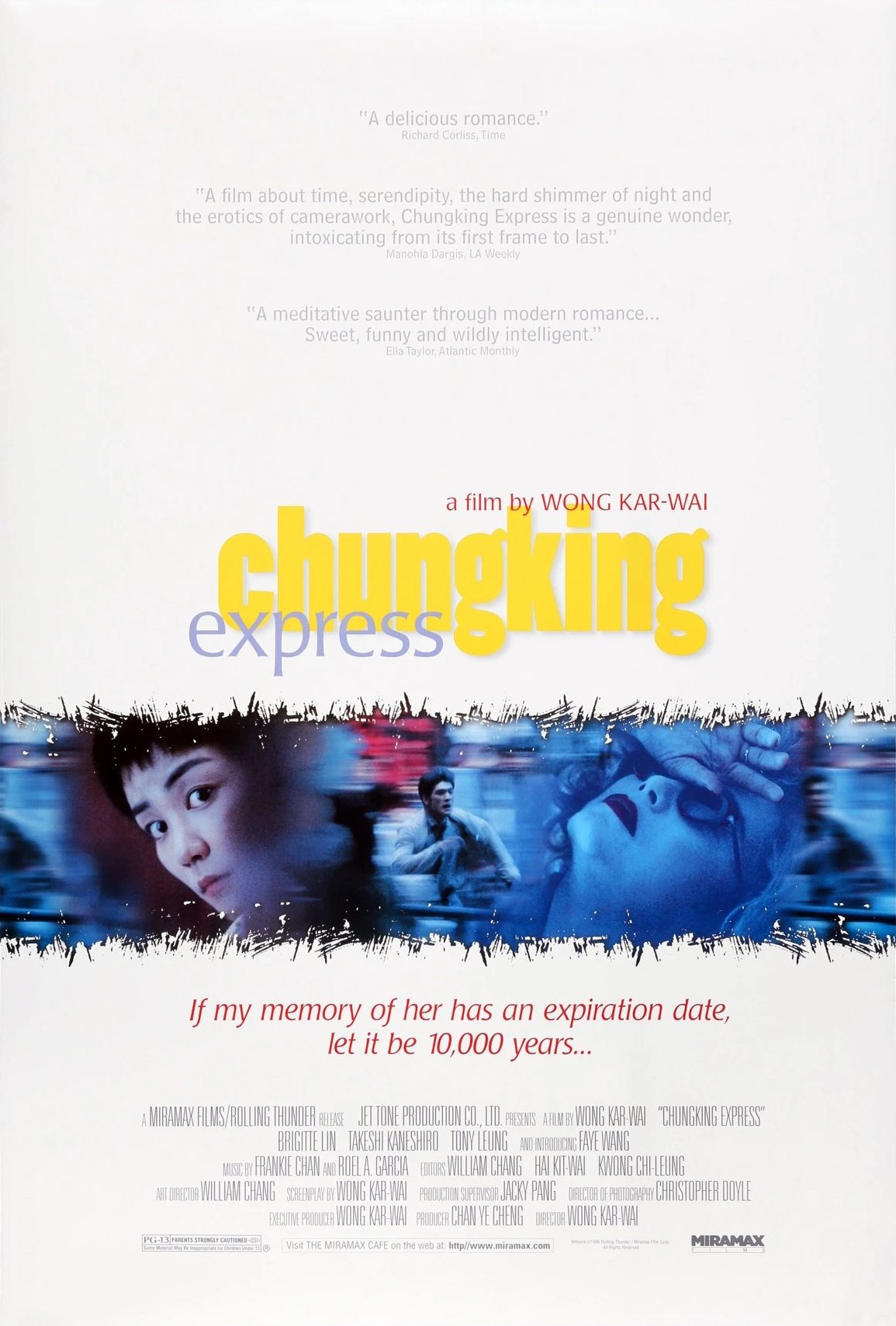
Information
tl;dr
Quick verdict
“Chungking Express” offers a vibrant exploration of urban loneliness and fleeting connections, wrapped in Wong Kar-wai’s distinctive visual eloquence. Its whimsical yet melancholic storytelling balances romance with the pangs of longing, making it a feast for both the eyes and the heart.
One-line reasons to watch or skip
Watch for its stunning cinematography and unique narrative structure if you’re drawn to character-driven tales about love and loss, but skip if you prefer a tightly woven plot with conventional storytelling.
What kind of story and pacing should I expect?
How the film balances mood, scenes, and momentum
Wong Kar-wai’s narrative thrives on mood over momentum, weaving together two intertwined stories that feel both intimate and expansive. The pacing, punctuated by moments of stillness and bursts of energy, captures the ebb and flow of urban life. Each scene, bathed in rich colors and evocative sounds, immerses viewers in a sensory experience that blends longing and whimsy, echoing the unpredictability of love. The use of slow-motion sequences and close-ups heightens the emotional stakes, inviting the audience to linger in the characters’ fleeting moments of connection.
Does the structure feel episodic, slow, or loose?
While the film’s structure embraces a deliberately episodic approach, it’s not aimlessly loose. The scenarios feel meticulously curated, reflecting the disconnected yet interconnected lives of its characters. It carves out pockets of time that allow viewers to breathe with each character, yet this can sometimes dilute the narrative drive. Those unaccustomed to a less conventional pacing might find portions challenging, but for others, the wandering rhythm resonates with the themes of transience and chance encounters.
Are the characters and performances convincing?
How the leads carry their segments
The performances in “Chungking Express” range from the enigmatic to the exuberant, drawing viewers into each lead’s emotional landscape. Tony Leung’s portrayal of Cop 223 is both vulnerable and effortlessly charming, embodying a character whose longing and weariness feel palpable. He navigates moments of comic absurdity and profound sadness with a refreshing authenticity. Faye Wong, as the quirky, impulsive Faye, injects the film with vitality, and her performance dances between playful mischief and deeper emotional currents. Their chemistry encapsulates the film’s central theme of unfulfilled desires, wrapping their individual arcs in a bittersweet embrace.
Standout supporting moments and chemistry
The supporting cast enriches the narrative tapestry, contributing layers of depth to the primary characters’ journeys. Each encounter feels fleeting yet impactful, from the piercing gaze of the woman in the blonde wig to the nuances in a quick café exchange. The interplay between characters often showcases a kind of chemistry that transcends words. Such moments serve as quiet echoes of the film’s larger themes—the yearning for connection and the transient nature of relationships—as they unfold against the backdrop of Hong Kong’s bustling streets. Whether through a short yet poignant dialogue or a shared silence, the film captures the essence of countless lives intersecting, even for just a moment.
Does the direction and style help or get in the way?
Visual choices, editing, and the soundtrack
Wong Kar-wai’s direction in “Chungking Express” is a masterclass in stylization, elevating the narrative through bold visual choices and an eclectic soundtrack. The cinematography, marked by a vibrant palette and dynamic framing, immerses the viewer in the pulsating life of Hong Kong. Handheld camera work creates an intimacy that draws one into the characters’ inner worlds, while the rapid edits juxtapose moments of comedy and heartbreak, enhancing the film’s emotional impact. Notably, the use of popular music—from The Mamas and The Papas to Faye Wong’s own songs—transforms scenes from mere storytelling into a shared cultural experience, blending nostalgia with the contemporary. Each track serves not just as a backdrop but as an emotional lens, echoing characters’ feelings and aspirations.
When style adds to emotion and when it distracts
While the film’s artful style often enhances emotional resonance, it can veer into self-indulgence. Wong’s penchant for slow-motion sequences and dreamy transitions, while beautiful, sometimes risks pulling the viewer out of the immediacy of the characters’ experiences. The whimsical elements risk feeling overwhelming, as if prioritizing aesthetics over narrative coherence. Yet, for those attuned to the film’s rhythm, these choices heighten the sense of fleeting beauty inherent to life and love. Ultimately, the challenge lies in balancing the film’s stylistic flourishes with its emotional core—success that will vary by viewer, depending on their willingness to embrace its artistic quirks.
What are the biggest strengths and weaknesses?
Where the movie shines
“Chungking Express” thrives in its exploration of human connections caught in the nets of transient encounters. The film’s dual narratives allow for a rich examination of romantic longing, underpinned by Wong’s sharp ear for dialogue and character nuance. The strengths lie particularly in its ability to evoke feelings of melancholy and joy simultaneously, often through minimalist moments—like a late-night snack or a quiet reflection in a bustling café. The film’s ability to portray the ordinary as extraordinary encapsulates the essence of urban loneliness, as characters navigate the complex interplay between hope and despair. The interplay between the two storylines also invites reflection on how love can be both exhilarating and painfully elusive.
Common sticking points for viewers
Despite its many strengths, the film’s leisurely pace and ambiguous resolutions can alienate some viewers. The unconventional narrative structure may feel disjointed, especially for those expecting a linear progression or resolution that ties everything neatly together. While some may revel in the deep character study, others could view it as meandering, leaving them yearning for more substantial plot developments. This lack of clarity, particularly in the second half, may frustrate audiences accustomed to traditional storytelling arcs. The quirky tone of the film, underscored by Faye’s whimsical behavior, might also be off-putting for those seeking realism over stylized fantasy.
Who is Chungking Express really for?
Types of viewers who will connect with it
“Chungking Express” caters to those who find beauty in the ephemeral. Viewers drawn to character-driven studies, urban settings, and a poetic sensibility will find much to admire. Fans of Wong Kar-wai’s prior works will appreciate his signature aesthetics and thematic concerns—a blend of romance and existential longing that resonates deeply. Cinephiles intrigued by the intersection of life and art will likely revel in the film’s vibrant cultural tapestry. The emotive performances and sly humor resonate with those who understand that life’s most poignant moments often come disguised as ordinary interactions.
Who should probably skip it or watch with tempered expectations
Conversely, those who prefer straightforward narratives or are averse to art-house cinema may want to approach “Chungking Express” with caution. Viewers expecting a tightly spun plot tied together with clear resolutions might find their expectations unmet—and possibly even unsatisfied by the film’s open-ended nature. Anyone looking for explicit character development and clarity of purpose will likely feel lost amid Wong’s densely woven visual and auditory landscapes. Aspects of the film’s idiosyncratic charm might also strike some as overly whimsical or pretentious, potentially diluting the emotional experience for audiences craving grounded storytelling. A willingness to embrace ambiguity and nonconformity is essential for a fulfilling viewing experience.
Is Chungking Express worth rewatching and is it dated?
Rewatch value more than 25 years on
“Chungking Express” holds a remarkable rewatch value, even after a quarter-century since its release. The film’s intricate emotional landscape, coupled with Wong Kar-wai’s evocative style, invites viewers to glean fresh insights upon subsequent viewings. Each interaction between characters reveals layers of meaning that may go unnoticed in a first encounter, urging a deeper reflection on themes of love, loneliness, and connection. The film’s poetic nature and contemplative pacing allow for a meditative experience that can resonate differently depending on one’s life stage or current emotional state. While some elements may feel tied to the era—like the distinct fashion and social nuances of 1990s Hong Kong—its exploration of the human condition remains timeless, making it feel relevant and poignant.
Does the film hold up today, culturally and technically
Culturally, “Chungking Express” continues to echo in the fabric of modern cinema. Its exploration of urban alienation and fleeting relationships resonates well in today’s fast-paced, often isolating world. The informal, almost improvisational nature of the dialogue strikes a chord with contemporary storytelling, reflecting the spontaneous ways lives intersect. Technically, the film’s groundbreaking cinematography and inventive editing techniques remain influential. The handheld camera work, vibrant color palettes, and engaging sound design create a sensory experience that feels ahead of its time. Yet, some stylistic choices—like the slow-motion sequences—may seem heavy-handed to today’s audience. Nonetheless, these quirks enhance the film’s dreamy quality, allowing it to transcend generational gaps while continuing to provoke discussion about its artistic merits.
Practical details before you press play
Runtime, release year, language, and subtitle tips
“Chungking Express” runs for 102 minutes and was released in 1994. The film is primarily in Cantonese, with some dialogue in English and Mandarin, immersing viewers in its Hong Kong setting. For non-Cantonese speakers, subtitled versions are widely available. It’s advisable to choose subtitles that resonate with your reading speed; some translations can be more poetic than literal, enhancing the film’s lyrical quality if you’re open to that. Various streaming platforms offer the film, but selecting the best quality version ensures that Wong’s stunning visual aesthetics aren’t compromised.
Best viewing setup and mood to get the most out of it
To fully appreciate “Chungking Express,” opt for a cozy viewing environment that allows you to sink into the film’s rhythmic pace. A dimly lit room can enhance the film’s atmospheric qualities, elevating the emotional weight of intimate moments. An immersive sound system is also recommended; Wong’s juxtaposition of diegetic sounds with a carefully curated soundtrack effectively draws viewers into the urban cacophony of Hong Kong. Prepare to engage with the film contemplatively—perhaps with a cup of coffee or tea—as its blend of whimsical energy and reflective melancholy warrants an openness to its poetic narrative style.
FAQs
Is Chungking Express worth watching?
Absolutely, “Chungking Express” is worth watching for anyone who appreciates character-driven narratives and the art of storytelling. Its unique structure challenges conventional cinematic norms, inviting viewers to engage with its themes of transience and connection. Wong Kar-wai’s stylish direction, combined with compelling performances, crafts an experience that feels both intimate and wide-ranging. While it might not cater to all tastes, especially those who seek linear plots, its emotional depth and visual storytelling make it a seminal work in contemporary cinema.
Where can I stream or rent Chungking Express?
“Chungking Express” is available on various streaming platforms, including Criterion Channel and iTunes, depending on your location. It’s also often available for rent through services like Amazon Prime Video or Google Play. To ensure you access the optimal viewing experience, check for high-definition versions when renting, as the film’s vivid imagery is a crucial component of its storytelling prowess.