
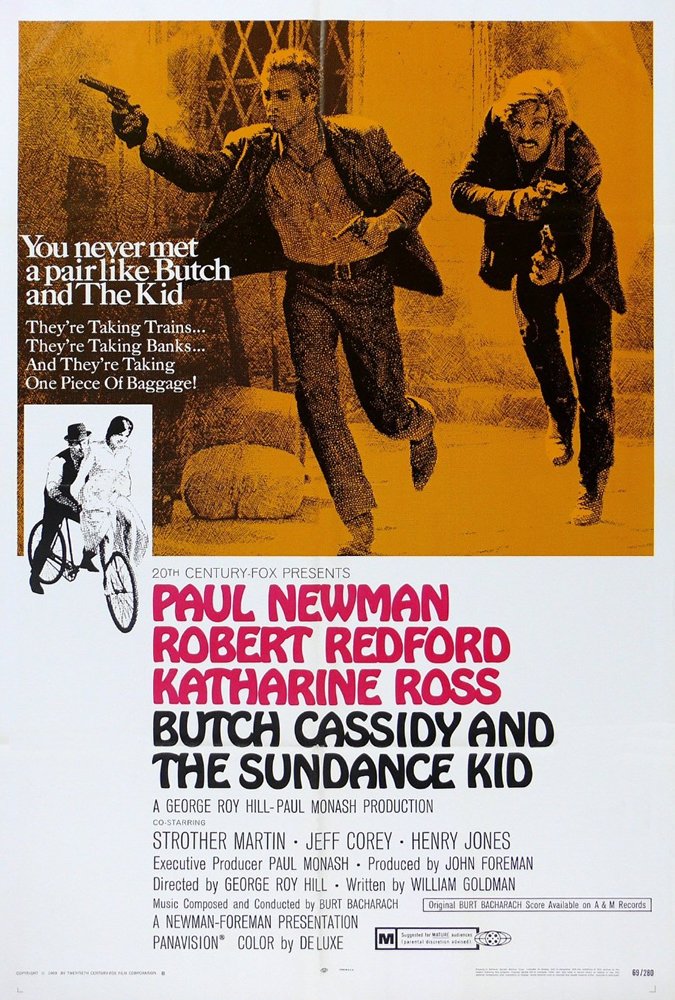
Information
tl;dr
Quick verdict in one sentence
“Butch Cassidy and the Sundance Kid” is a masterclass in blending humor, drama, and style, presenting a poignant exploration of friendship against the backdrop of fading Wild West ideals.
Who will like it and who might skip it
Audiences who appreciate character-driven narratives laced with wit will find this film an enduring classic. However, viewers seeking fast-paced action typical of modern Westerns may find its more reflective tone a tad slow.
Does the story and pacing hold up?
How the plot moves and where the energy peaks
The screenplay expertly weaves humor and melancholy, charging through pivotal moments with a snappy rhythm that keeps the tension alive. Key peaks occur during the dynamic heists, where creativity and a foreboding sense of doom intersect, allowing the fun banter between Butch and Sundance to lift the stakes while foreshadowing their inevitable decline. The film’s clever use of freeze frames during critical moments creates a powerful juxtaposition between the levity of their escapades and the harsh reality encroaching on their lives.
Any sections that slow the film down and why
While the film’s leisurely pace serves to underscore its emotional depth, there are moments—particularly the quieter interactions between Butch and Sundance—that may feel drawn out to contemporary viewers. The philosophical discussions on freedom and loyalty, while thematically rich, sometimes meander without sufficient narrative thrust. These slower passages could be perceived as indulgent, risking the loss of momentum in an era that favors brisk storytelling.
Are the performances and characters convincing?
The chemistry between the leads and what it brings
Paul Newman and Robert Redford elevate the film, embodying their respective characters with an effortless charisma that makes their camaraderie feel genuine. Their chemistry is particularly effective in scenes of light-hearted banter, where the two effortlessly exploit the tension between bravado and vulnerability, imbuing a sense of bittersweet nostalgia. This connection is crucial; it grounds the film’s emotional stakes, making their ultimate downfall resonate more profoundly.
Supporting cast and whether characters feel real or flat
The supporting characters, while convincingly portrayed, often serve more as extensions of the leads than as fully realized individuals in their own right. Characters like Etta Place, played by Katharine Ross, add depth to the narrative but sometimes fall into predictable roles that don’t fully explore their potential. The film’s primary focus on Butch and Sundance leaves some of their associates feeling somewhat sketchy, which detracts from the overall richness of the world they inhabit. Still, when these secondary characters engage with the protagonists, they amplify the main themes of camaraderie and betrayal, lending weight to the story’s central arc.
How effective is the direction and overall execution?
Visual style, tone, and how the film balances mood
George Roy Hill’s direction navigates the film’s tonal shifts with remarkable finesse, aligning visual storytelling with thematic substance. The film’s cinematography, infused with a painterly quality, captures the sprawling landscapes of the American West, effectively mirroring the internal struggles of its characters. Hill employs soft focus and warm, inviting colors, creating a nostalgic tapestry that reflects Butch and Sundance’s roguish charm and impending doom. This visual composition not only enriches the narrative but also reinforces the bittersweet tone, ensuring the audience feels the weight of both humor and heartbreak. The film oscillates seamlessly between light-hearted moments and introspective musings, expertly balancing the mood to keep viewers engaged, a testament to Hill’s sharp directorial vision.
Editing, score, and technical choices that matter for viewers
Editing in “Butch Cassidy and the Sundance Kid” serves as a crucial narrative tool, punctuating moments of levity and tension with precision. The clever use of freeze frames is a standout choice, allowing for the juxtaposition of the protagonists’ cheerful defiance against the looming reality of their lives. Burt Bacharach’s score complements this editing, weaving a melodic thread that injects both a whimsical and melancholic vibe into scenes. The iconic “Raindrops Keep Fallin’ on My Head” epitomizes this duality, illuminating Butch’s carefree spirit while subtly hinting at the storm of consequences that awaits. These technical elements come together to enhance the film’s emotional landscape, making the experience both visually and sonically compelling, and ensuring its resonance long after the credits roll.
Is it funny, romantic, or mostly action?
Tone balance and the kind of laughs or warmth to expect
At its core, “Butch Cassidy and the Sundance Kid” is a rich tapestry of humor, warmth, and poignant moments that transcend the conventional boundaries of the Western genre. The film thrives on its character-driven comedy, where the clever dialogue between Butch and Sundance elicits genuine laughter while simultaneously revealing deeper truths about their bond and the life they lead. The humor is laced with a subtle poignancy; each quip is underlined by the weight of the choices they’ve made. This balance creates a refreshing viewing experience, as audiences can expect to navigate through fits of laughter and moments of reflective silence, ultimately fostering a profound connection with the characters.
Standout moments that define the film’s emotional mix
Key scenes underscore the film’s emotional range, such as the beautifully choreographed bank heist intertwined with Butch’s disarming charm. These moments encapsulate the exhilarating escapades of the duo while foreshadowing their inevitable decline. The serene yet heart-wrenching farewell between Butch, Sundance, and Etta elevates the film’s stakes, encapsulating the bittersweet essence of friendship. This blend of joy and sorrow culminates in the iconic final shootout, where the juxtaposition of their bravado against the harsh reality of their situation delivers a staggering emotional punch. These defining moments solidify the film’s reputation for its multifaceted exploration of camaraderie and sacrifice.
What are the film’s biggest strengths and weaknesses?
Clear strengths worth praising
“Butch Cassidy and the Sundance Kid” excels in its character exploration, masterfully capturing the blend of humor and melancholy that defines its protagonists. Newman and Redford’s chemistry is a significant strength, imbuing the narrative with a charismatic energy that feels both timeless and relatable, reinforcing the film’s exploration of friendship and loyalty. The screenplay’s wit and insightful reflections on freedom and the changing face of the American West resonate deeply, creating a narrative richness that goes beyond typical genre fare. Hill’s directorial choices further amplify these strengths, rendering the film a poignant exploration of personal and societal decline against a backdrop of outlaw glamour.
Main flaws that could bother viewers
Despite its many strengths, the film’s deliberate pacing may dissuade certain viewers accustomed to brisk storytelling. Some dialogue-heavy segments, especially those that delve into philosophical musings, can feel meandering, risking the immediate engagement that modern audiences often expect. Furthermore, while the film’s supporting cast adds texture to the narrative, they sometimes feel more like archetypes than fully fleshed characters, limiting the broader thematic exploration that could have added depth. These aspects, though not detracting from the film’s overall impact, may leave some viewers yearning for a more cohesive narrative progression and character development, potentially undermining the emotional stakes at play.
Is Butch Cassidy and the Sundance Kid worth watching or rewatching?
When it hits and why it rewards repeat viewings
“Butch Cassidy and the Sundance Kid” often captivates viewers with its charming blend of humor and gravity, striking an emotional chord that resonates profoundly. Each viewing unveils subtle layers of character nuance and thematic depth, particularly in how Butch and Sundance wrestle with the nostalgic allure of their outlaw lifestyle versus the inexorable pull of reality. Those who return to the film can appreciate the intricacies in the dialogue and the visual storytelling, such as the recurring motifs of companionship and disillusionment that emerge more clearly with familiarity. The film’s masterful pacing, which may initially feel leisurely, allows for moments of reflection that reward repeated engagement. Each subsequent viewing offers fresh perspectives, like catching quieter moments between characters that subtly reveal their vulnerabilities, thus enriching the overall experience.
Situations where it might not be the best pick
However, “Butch Cassidy and the Sundance Kid” might not suit every viewing scenario. Its reflective pace can test the patience of audiences looking for a brisk narrative full of action and tension, particularly when compared to modern films laden with relentless thrills. Viewers craving constant momentum may find the film’s contemplative dialogue and character-driven focus a departure, possibly labeling it as meandering rather than nuanced. Additionally, those who strictly expect conventional Western tropes might feel unsatisfied by the film’s unique blend of romance and existential whimsy, which diverges from the genre’s typical archetypes. For a first-time watch or a casual viewing with friends, this film could feel slow, leaving some feeling disconnected amid the rich textures that detail Butch and Sundance’s bond and the socio-cultural shifts of their time.
Who is this film really for?
Recommended viewer types and mood matches
“Butch Cassidy and the Sundance Kid” is best suited for viewers who appreciate character-driven narratives layered with humor and poignant undertones. Those who revel in the exploration of friendship, loyalty, and peace amidst chaos will find themselves well-served by the film’s nuanced dialogue and emotional beats. It’s for the cinephile who enjoys dissecting the deeper themes woven between the action, a lover of the Western amalgamated with rich lyrical storytelling. Ideal for rainy afternoons or quiet nights in, the film’s reflective nature calls for an audience in a contemplative mood, perhaps seeking a break from the fast-paced realities of modern cinema.
What to expect if you go in with low patience or specific tastes
Conversely, if you arrive at “Butch Cassidy and the Sundance Kid” with a lack of patience or a preference for more immediate gratification in storytelling, you might find yourself grappling with its leisurely cadence. Those who lean towards straightforward narratives could be left feeling perplexed by the film’s digressions, particularly when philosophical dialogues interrupt the flow of action. If you expect traditional Western gunfights or relentless dramatic tension, prepare for a narrative that ponders and reflects rather than speeds toward resolution. This juxtaposition may lead to frustration, as the film does not conform to the genre mold; instead, it revels in the internal struggles of its characters, highlighting the gaps between mythos and reality.
FAQs
Is Butch Cassidy and the Sundance Kid worth watching?
Absolutely. The film’s rich characterization and exploration of friendship, wrapped in a layered narrative that juxtaposes humor with pathos, make it a must-watch. Its cultural relevance and emotional resonance stand the test of time, offering insights into the human condition and the essence of camaraderie that transcends the Western genre. Repeat viewings only deepen the appreciation of its subtleties, making it a film that both newcomers and seasoned viewers will find rewarding.
How accurate is Butch Cassidy and the Sundance Kid to real events?
While “Butch Cassidy and the Sundance Kid” is grounded in the lives of its titular characters, it takes plenty of creative liberties. It captures the essence of the outlaws’ legendary status but prioritizes narrative depth over strict adherence to historical accuracy. The film artfully balances fact and fiction, using the backdrop of the Wild West to explore universal themes like freedom and loyalty rather than aiming for a meticulous recounting of events. Viewers should approach it as a poetic interpretation rather than a historical document, gaining insight into the characters’ lives while enjoying the broader commentary on the myths that surround them.