
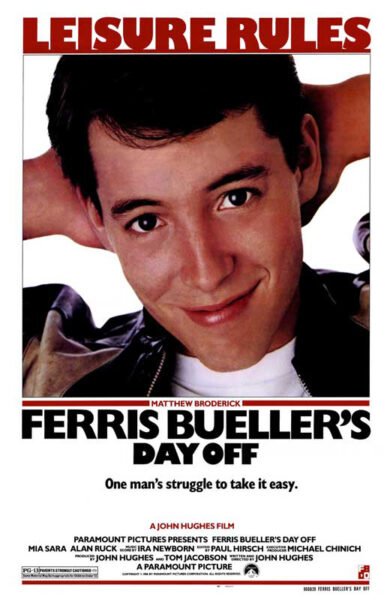
Information
tl;dr
Quick verdict in one short sentence
“Ferris Bueller’s Day Off” is a playful and insightful exploration of teenage rebellion that remains a cultural touchstone decades later.
Who should watch and who should skip
This film is a must-see for anyone interested in 1980s cinema, the nuances of teenage angst, or simply a well-crafted comedy. It may not resonate with viewers seeking a grounded narrative or a serious tone, as its charm lies in its whimsical approach to life’s fleeting moments.
What is the tone and pacing like?
Does the movie feel energetic or slow in parts?
Ferris Bueller’s escapade pulsates with an infectious energy that elevates its narrative. The film expertly captures the electric thrill of skipping school, supported by a brisk pace that rarely lets up. Moments of levity, from Ferris’ direct address to the audience to his elaborate schemes, create a rhythm that feels almost dance-like. Yet, the film does take breathers, allowing for quiet reflections, particularly in Cameron’s character arc, providing a necessary contrast that deepens the emotional stakes.
Are the set pieces and quieter moments balanced?
The set pieces, from the iconic parade scene to Ferris’ adventurous day spent in Chicago, are exuberantly choreographed and visually engaging. They draw the viewer into a world of freedom and spontaneity. These moments are counterbalanced by quieter scenes, such as Cameron’s introspection, which provide depth without dragging the pacing. The film finds a delicate equilibrium: it recognizes the joys of youth while also touching upon the underlying anxieties that often accompany it, ensuring that the humor never overshadows its emotional weight.
Do the characters and performances hold up?
Is Ferris a convincing lead and how is Matthew Broderick?
Matthew Broderick’s portrayal of Ferris Bueller is both charismatic and effortlessly charming. He embodies the quintessential “cool kid,” yet he also brings a sense of vulnerability that makes Ferris more than just an icon of rebellion. Broderick’s performance is nuanced; he conveys joy while simulating the carefree confidence of a teenager who feels invincible. However, what truly matters is how Ferris’ character serves the film’s themes, and Broderick excels in making Ferris relatable rather than simply aspirational.
How memorable are the supporting performances (Sloane, Cameron, adults)?
The supporting cast amplifies the primary narrative, enriching it with comedic and emotional texture. Alan Ruck’s portrayal of Cameron Frye is particularly noteworthy; he encapsulates the inner turmoil and discontent of youth, contrasting Ferris’ buoyancy. The nuanced interplay between Ferris and Cameron reveals deeper truths about friendship and the pressures of expectation. Meanwhile, Mia Sara as Sloane provides a grounded counterpoint, bringing a thoughtful charm that aligns with Ferris’ adventures. The adults, portrayed by Jeffrey Jones and Jennifer Grey, bring a comedic absurdity that not only highlights generational differences but also grounds the film in reality, making their interactions memorable rather than caricatures.
How well is it directed and staged?
Does John Hughes’ direction keep things lively and clear?
John Hughes’ directorial approach in “Ferris Bueller’s Day Off” strikes a dynamic balance between whimsy and clarity. He possesses an innate ability to infuse the narrative with vibrant energy while ensuring that each scene carries weight. The film’s use of direct address, where Ferris often breaks the fourth wall, is a clever technique that not only keeps the pace lively but also establishes a conversational relationship with the audience. This technique works well within a teenage context, making viewers feel included in Ferris’ schemes. Hughes masterfully combines fast cuts with lively musical cues, creating a rhythm that feels almost biographical in its representation of youthful exuberance. However, he doesn’t shy away from quieter moments that underscore character development, particularly with Cameron, whose emotional struggles necessitate a softer touch. Overall, Hughes’ direction captures the essence of teenage life by juxtaposing the thrill of freedom with the sobering realities of growing up.
How effectively does the film use Chicago, music, and production design?
Chicago serves not just as a backdrop but as an integral character in its own right. Hughes utilizes the city’s iconic locales—from the Art Institute to the Ferris wheel at Navy Pier—to amplify the film’s sense of adventure and possibility. The production design reflects a vibrant, albeit idealized, version of the city that resonates with youthful dreams of escape. The music selection, ranging from the infectious “Twist and Shout” performance at the parade to the wistful strains of “Dream Away,” enhances emotional beats and heightens the stakes of Ferris’ day off. These elements, paired with a bright color palette and playful cinematography, create an inviting atmosphere. While it maintains a light-hearted tone, the film also subtly critiques the pressures of suburban life, cleverly weaving cultural commentary into its visual and auditory fabric. Hughes’ ability to blend these elements showcases his adeptness at creating a film that feels both grounded and fantastical.
Is the story actually satisfying?
Does the premise stretch into a full movie or feel padded?
The premise of Ferris Bueller’s day off is engaging enough to sustain a full narrative, but some could argue that its episodic nature borders on indulgence. As Ferris drags his friends through a series of increasingly outrageous escapades, there’s a sense that the story could meander, losing focus on its central message. Yet, Hughes smartly navigates this potential pitfall by adding layers to the narrative. Cameron’s personal journey offers depth and tension that enriches the film without veering into narrative padding. Each escapade, while entertaining, feels purposeful in revealing character traits and furthering themes of rebellion and self-awareness. The pacing is brisk enough to keep audiences engaged, even as the underlying moral about seizing the day remains intact. If anything, the film’s ability to maintain momentum speaks to its clever structure rather than a lack of depth.
Are there emotional stakes or is it mostly frothy fun?
While “Ferris Bueller’s Day Off” revels in its lightweight humor and playful antics, it does not shy away from deeper emotional stakes, particularly through the character of Cameron. Ferris embodies a carefree attitude that contrasts sharply with Cameron’s struggle against familial expectations and self-doubt. This juxtaposition allows the film to explore the complexities of adolescence; the fun becomes more meaningful as it highlights the tension between enjoying life and grappling with personal demons. Emotional threads are woven seamlessly into the fabric of the comedy, providing moments of genuine pathos amidst the frothiness. Cameron’s eventual decision to break free from his constraints serves as a critical turning point in the film, illustrating that the stakes are higher than mere skipping school. Hughes ensures that the humor remains sharp while imbuing the narrative with emotional authenticity, crafting a story that is both entertaining and emotionally resonant.
Is Ferris Bueller’s Day Off worth watching today?
Will modern viewers enjoy it beyond nostalgia?
“Ferris Bueller’s Day Off” holds a unique charm that can resonate with contemporary viewers, even decades after its release. While nostalgia undoubtedly plays a part, the film’s exploration of themes like independence, friendship, and the pressures of youth makes it relatable across generations. The humor, often rooted in the absurdities of teenage life, continues to feel fresh, especially in an age where escapism can be particularly appealing. Ferris’ brazen confidence and cunning antics offer an appealing perspective for a modern audience, with many still recognizing the value of taking a break from responsibilities. That said, some aspects of the film might feel dated to younger viewers, notably its depiction of authority figures and societal norms. However, the heart of the story—seizing the day and living life in the moment—is timeless.
Is it suitable for family viewing or better for older teens and adults?
The film’s blend of humor and underlying themes makes it a perfect candidate for family viewing, though perhaps best appreciated by older teens and adults. Its light-hearted approach to serious subjects like teenage angst, identity, and autonomy provides an entry point for discussions about growing up. That said, some scenes, including those involving teenage rebellion and criticism of parental figures, might resonate more with an older audience. It strikes a fine balance, offering humor and relatable moments for younger viewers while presenting themes that encourage reflection for adults. In this way, “Ferris Bueller’s Day Off” serves as a cultural artifact, inviting audiences of all ages to find their own truths amidst the laughter, proving its enduring relevance.
Is it worth rewatching?
What holds up on repeat viewings?
“Ferris Bueller’s Day Off” possesses a remarkable rewatchability factor, buoyed by its delightful array of characters, witty dialogue, and clever narrative structure. The film’s charm doesn’t diminish with familiarity; rather, it invites viewers to uncover layers that might have been overlooked during first viewings. The exuberance of Ferris’ antics, coupled with his breaking of the fourth wall, creates an engaging dynamic that only grows more insightful upon repeated interaction. Each escapade feels fresh due to the vibrant energy infused into the film, making it equally enjoyable to revisit and appreciate the careful craftsmanship behind the humor.
Are there details or jokes that get better with rewatches?
Many of the film’s jokes and situational gags become even richer with repeat viewings. The subtleties in the background, such as the fleeting expressions of bystanders during Ferris’ elaborate schemes or the layered interactions between supportive characters, unfold like a well-crafted tapestry. Humor embedded in the dialogue—particularly Ferris’ deadpan sarcasm—gains new dimensions as viewers become attuned to the nuances of teenage rebellion and self-awareness. Additionally, the film’s commentary on authority figures, framed with humor, reveals itself as genuinely perceptive social critique, growing more impactful after the audience has experienced Ferris’ carefree philosophy firsthand. This depth adds to the film’s longevity, making it a timeless classic worth revisiting.
What are the biggest strengths and weaknesses?
Main strengths that make it enjoyable
The film’s primary strengths lie in its vibrant character portrayals and the seamless direction of John Hughes. Matthew Broderick’s nuances as Ferris, showcasing effortless charm alongside a touch of vulnerability, create a relatable hero rather than a mere caricature of teenage coolness. This relatability makes Ferris’ escapades feel significant within the framework of youthful exploration. Coupled with the vibrant cinematography that captures the spirit of 1980s Chicago, the film adopts a lively pace that entrains audiences through its highs and lows. Additionally, Hughes’ ability to weave humor with poignant moments—especially through Cameron’s arc—offers a sophisticated blend that elevates what could easily become a simple comedy into a thoughtful meditation on adolescence.
Notable flaws that might bother some viewers
Not all elements are universally appealing; some viewers might find fault with the film’s simplistic portrayal of authority figures, who often tread into caricature territory. The ineffectiveness of the adults in Ferris’ life subtly undermines the more profound themes of rebellion and self-discovery, which may frustrate audiences seeking more complex storytelling. Moreover, the episodic structure, while entertaining, could come across as meandering at times, risking the cohesiveness of the overall narrative. This disjointedness might leave some feeling as if the film lacks a definitive arc, which could detract from the investment in character journeys. Despite these shortcomings, the charm and insight remain compelling enough to offset potential quibbles.
Who is this film really for?
Viewers most likely to enjoy it
“Ferris Bueller’s Day Off” resonates strongly with those who appreciate light-hearted comedies infused with deeper themes of youth and rebellion. Teenagers, young adults, and those who are nostalgic for the carefree days of adolescence will find a lot to love in Ferris’ exploits and the film’s underlying philosophies. Furthermore, individuals interested in the cultural nuances of the 1980s or cinematic explorations of friendship and self-discovery will find value in Hughes’ work. The film provides a humorous yet insightful reflection on what it means to seize the day, appealing to a broad swath of viewers who desire both entertainment and meaning.
Viewers who might want to skip it
Conversely, those who favor grounded narratives or prefer dramatic storytelling might find themselves disconnected from its whimsical tone. If a viewer leans more toward realism in their cinematic choices, the film’s exaggerated characters and outlandish situations may come off as overly contrived. Additionally, individuals uncomfortable with the cavalier approach to skipping responsibilities might grapple with the film’s philosophies, perceiving them as detrimental rather than liberating. For such viewers, the film’s charm may not suffice to outweigh a preference for more serious subject matter, leading to a lukewarm reception of its comedic flair.
When was it released and where can I watch it?
Release year, runtime, and rating
“Ferris Bueller’s Day Off” graced theaters in 1986, marking its place as a defining film of that era. With a runtime of 102 minutes, it has just the right pacing to maintain its energetic flow, ensuring viewers remain engaged throughout Ferris’ escapades. The film carries a PG-13 rating, a reflection of its lighthearted yet occasionally sharp content that can speak to both younger audiences and adults alike. This balance between youthful exuberance and more significant underlying themes offers viewers a multifaceted cinematic experience.
Common streaming, rent, or buy options
Today, “Ferris Bueller’s Day Off” enjoys availability across several platforms for new audiences to discover or for longtime fans to revisit. Common streaming services like Netflix and Amazon Prime Video frequently feature it in their libraries, allowing for easy access to this classic. For those who prefer physical media, Blu-ray and DVD formats are widely available for purchase, ensuring that collectors can cherish the nostalgia of the film. This accessibility keeps the movie alive in modern pop culture, inviting new generations to engage with Ferris’ carefree philosophy.
FAQs
Is Ferris Bueller’s Day Off family-friendly?
While “Ferris Bueller’s Day Off” is overall family-friendly, it’s worth noting that it contains elements that may resonate more with older children and teens. The film touches on themes of independence, rebellion, and the humorous dynamics between teenagers and authority figures. Its lighthearted approach to skipping school and navigating friendships makes it suitable for family viewing, although parents may find certain scenes prompt deeper conversations about the implications of Ferris’ carefree disregard for rules. Broadly, it provides an accessible entry point into discussions about identity and growing up, making it a delightful experience for families, particularly those with older children who can relate to the emotional nuances of adolescence.
Has the movie aged well and are there content concerns?
“Ferris Bueller’s Day Off” has remarkably aged well, largely due to its timeless themes of youth and the quest for freedom. Its observations about teenage life still resonate today, highlighting the balance between responsibilities and the desire to embrace life’s fleeting moments. However, it’s important for modern viewers to approach certain aspects with a critical lens. Some of the film’s humor and scenarios can feel dated compared to today’s cultural shifts around youth rebellion and authority. Moreover, the portrayal of authority figures swings into caricature, which, while comedic, may not entirely reflect contemporary conversations about parental relationships or societal expectations. Despite these considerations, the film’s core message—the importance of seizing the day—remains refreshingly relevant, continuing to invite audiences to ponder the fleeting nature of youth amidst its comedic antics.